
A tiny house still feels cluttered after decluttering because clutter is not only the number of things you own. It is also visual noise, items with no fixed home, exposed utility gear, and storage packed so full that nothing can be put away easily. Reducing what you own is step one. Controlling what you see, and making every item easy to return, is step two, and it is where most people stall.
In a space of 150 to 300 square feet, one visible stack of mail, a drying rack, and a pile of shoes can change how the whole house feels. This guide explains the hidden causes and gives a repeatable sequence of fixes you can do in a weekend or two.
Count what you see, not just what you own
A decluttered house can still feel busy if every surface is covered. The eye reads each separate object as a unit of visual information, and in a small room there is nowhere to rest it.
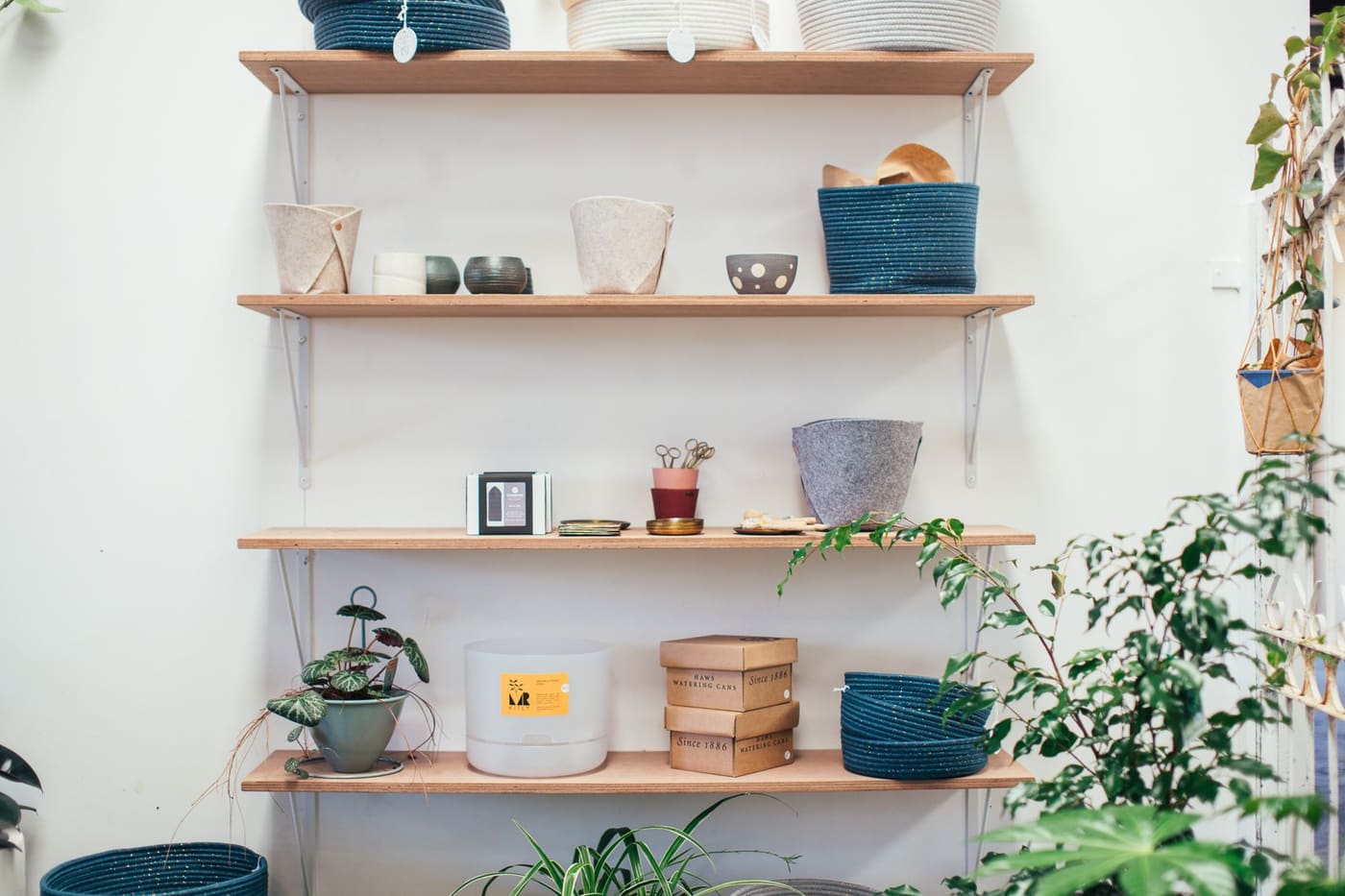
Try this test: stand in the doorway and take a photo of each room. Then count the distinct objects on open surfaces such as counters, tables, shelves, and floor. If you find more than a few dozen, the room will feel noisy even if the cabinets are half empty.
Ways to cut visual noise:
- Clear counters and tables daily to a small set of items, such as one lamp, one plant, and a fruit bowl.
- Use closed storage for the rest. Doors, lidded bins, and fabric covers turn many objects into one calm surface.
- Group items on a tray so five bottles read as one object.
- Match containers by color and shape. A set of identical bins looks calmer than a mix of boxes and baskets.
- Reduce the number of colors and patterns in view. Two or three main colors with one accent feels calmer than many.
A good target is to keep at least half of each horizontal surface empty.
Fix items that have no home
Clutter usually is not “too much stuff”. It is stuff without an assigned place, so it lands on the nearest flat surface. Look at where piles form. Those spots are showing you a missing home.
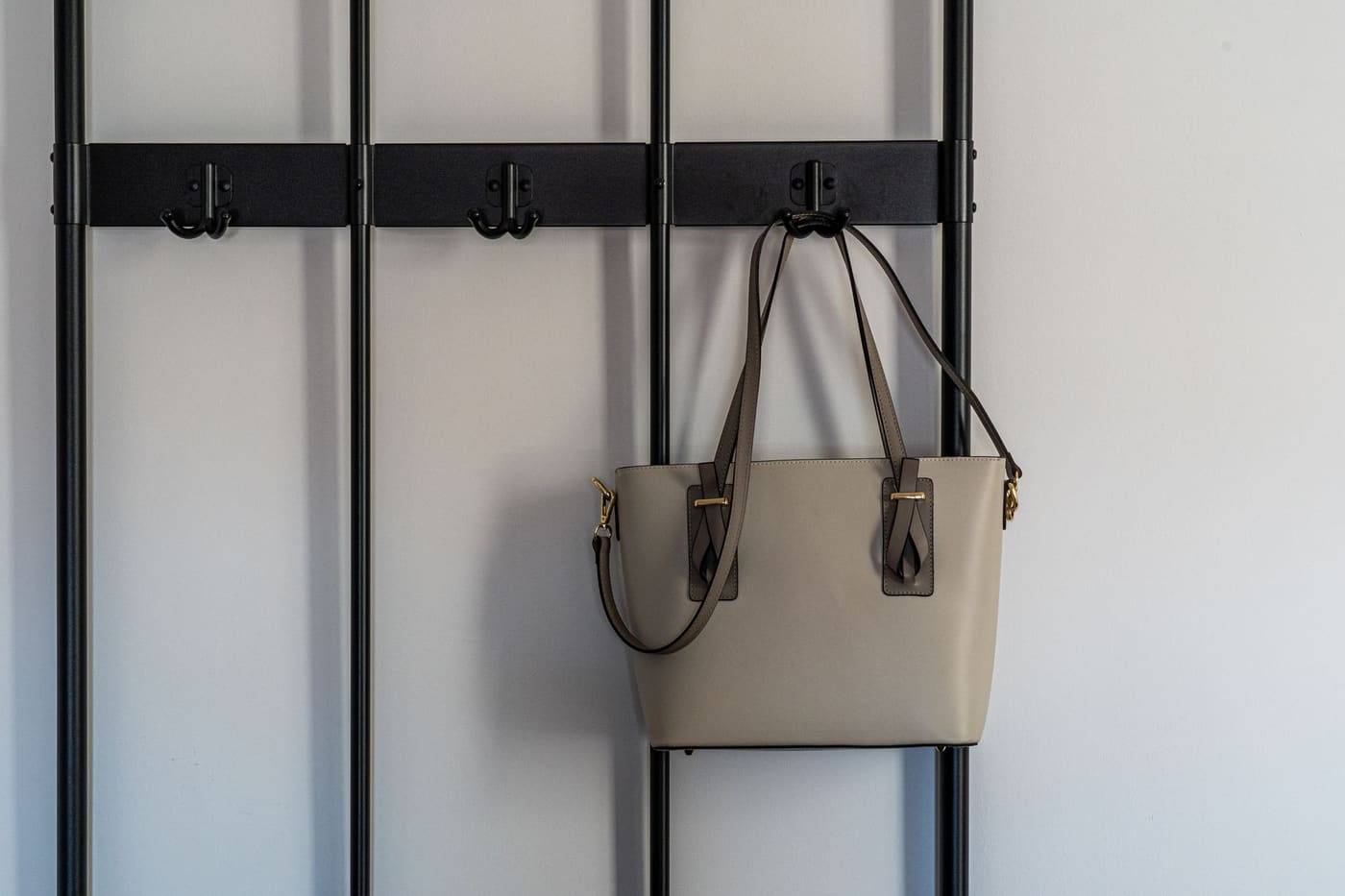
Common homeless items and fixes:
- Mail and papers: A single slim inbox, a weekly sorting habit, and a scanner or phone app for documents you only need digitally.
- Keys, wallet, phone: A hook and a small tray by the door.
- Bags and coats: One hook per person, and a firm limit on how many coats stay out.
- Charging cords and devices: A single charging shelf or drawer with a power strip, installed safely and not overloaded.
- Half-finished projects: A bin with a lid. If the bin overflows, the project count is too high.
The rule that holds a tiny house together is simple: if an item has no home, either create one or let the item go. If you have already tried to add storage and the house still overflows, the guide to adding storage without overstuffing it covers how to count and cap each category.
Hide or handle the utility items
Tiny houses expose things that larger homes tuck away: water heaters, electrical panels, propane tanks, composting toilet vents, hoses, and cords. They add visual weight and attract random objects.
- Wire and cord management: Use cord covers, cable clips, and a single power strip to tame the tangle. Keep cords off the floor and out of walkways. Do not run cords under rugs or staple them, since this can cause overheating or damage, and have a licensed electrician add outlets where you need them instead of using extension cords long term.
- Panels and equipment: Do not block access to electrical panels, shutoff valves, or propane regulators. Keep clear space around them as required, and hide them with a door or removable panel only if it is easy to open.
- Cleaning gear: A tall, narrow cabinet or a hook-lined closet door holds a broom, mop, and vacuum.
- Trash and recycling: A pull-out bin or a lidded bin in a cabinet keeps them out of view.
- Laundry: A hamper with a lid or a pull-out drawer stops clothes from piling up.
If an item must remain visible, such as a heater or a fire extinguisher, make it look intentional. Leave space around it, and keep surrounding items minimal.
Check whether storage is too full
A storage space filled to the brim makes clutter. When a drawer is jammed, you leave items on the counter instead of putting them away. The usual guideline is to fill containers to about 80 percent, so one more item can fit.
Signs your storage is overloaded:
- You have to move other things to reach what you need.
- Doors or drawers do not close easily.
- You have bins inside bins.
- Things disappear for weeks and reappear.
- You buy duplicates because you cannot find the original.
| Problem | Symptom | Fix |
|---|---|---|
| Overfilled drawer | Items spill when opened | Remove one-fifth, or add a divider |
| Deep shelf | Back items forgotten | Use bins that pull out, or shallow shelves of 10 to 12 inches |
| Overstacked bins | Bottom bin never used | Limit stacks to two, label each |
| Mixed-use container | Junk drawer effect | Assign one category per container |
Another sign is weight. Heavy storage in a loft or high cabinet in a house on wheels affects towing balance, so keep dense items low and near the axles, and know the trailer’s weight rating.
Look at zones that blur together
A tiny house may feel cluttered when its zones overlap. If the desk, the dining table, and the kitchen counter are the same surface, everything piles on it. Give each activity a physical boundary, even a small one.
- A rug or a change of lighting can mark a zone.
- A basket or bin per zone holds that zone’s tools.
- A daily reset takes five minutes and returns each item to its zone.
- A visible edge, such as a shelf, a curtain, or a screen, separates work from rest.
The planning ideas in making one small space do multiple jobs well show how to switch roles cleanly, and the layout approach in what makes a tiny house layout work better shows how to place zones along the main path.
Pay attention to scale and furniture
Furniture that is too big, or too many small pieces, makes a room look crowded. A few tests:
- Floor visibility: You should see a good amount of floor. Legs that lift furniture off the floor add visual space.
- Furniture height: Low pieces make a room feel taller. Tall units against a wall feel fine, but tall items in the middle of the room feel heavy.
- Number of pieces: Fewer, multi-purpose pieces beat many singles.
- Visual weight: Dark, bulky items weigh more than light, slim ones.
If a piece does not earn its footprint, consider replacing it. The article on which furniture is actually worth it in a tiny house lists the pieces that usually justify their space.
Build habits that keep it from creeping back
Decluttering is a one-time event. Staying uncluttered is a routine.
- One in, one out. When something new arrives, something of the same kind leaves.
- A 24 to 48 hour wait for non-essential purchases, so you can decide where they would live.
- A five-minute nightly reset. Return items to their homes, clear surfaces, and set out tomorrow’s essentials.
- A weekly mail and paper sort.
- A monthly scan of one category. Rotate through clothes, kitchen, bathroom, and tools.
- A donation bag that is always open in a closet.
Moisture and odors also make a house feel unkind. Stale air, damp towels, and trapped humidity create a sense of mess even when things are tidy. The US Environmental Protection Agency advises keeping indoor humidity below 60 percent, ideally between 30 and 50 percent, so use vent fans and air out bedding. The same guidance says mold under about 10 square feet can usually be cleaned by the homeowner, but if you find a larger area, or notice persistent musty smells and soft or stained surfaces, do not just cover it. Find the water source and have it assessed by a qualified professional. In homes built before 1978, do not sand or scrape old paint until tested for lead.
When to ask for help
Some clutter has deeper causes. If getting rid of items causes real distress, or the amount of stuff is a safety risk, such as blocked exits or a fire hazard, talking to a professional organizer or a doctor or mental health professional can help. For structural fixes such as cutting new recesses in walls, adding electrical outlets, or modifying loft supports, hire a licensed builder or electrician.
To work through it zone by zone, use the declutter and capacity checklist.
Where this comes from
The humidity and mold figures come from the US Environmental Protection Agency’s “A Brief Guide to Mold, Moisture, and Your Home”. The rest is general home-organizing and space-planning advice, not the result of testing: the half-empty surface target, the 80 percent fill level and the purchase waiting period are rules of thumb. Rules about outlets, panel access and propane equipment vary by location and change over time, so check them with your local building office.